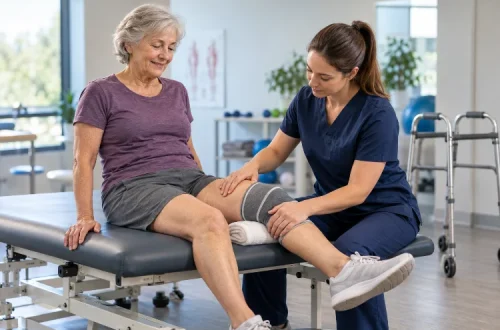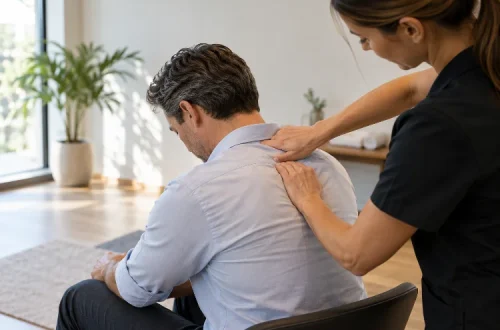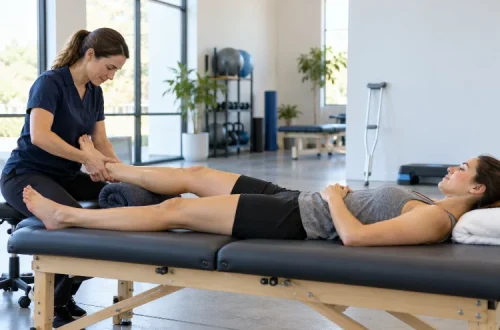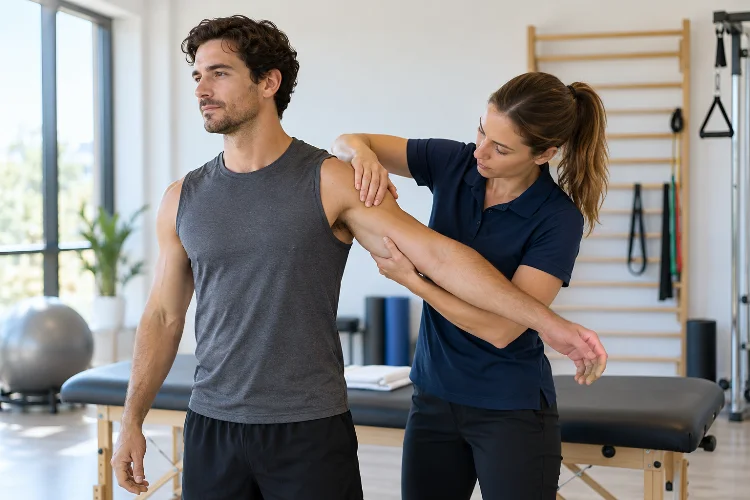
Imagine waking up with shoulder pain that makes reaching for a coffee mug uncomfortable. Or perhaps you’re recovering from a sports injury, and even though the worst pain has disappeared, your muscles still feel stiff and difficult to move.
These situations are incredibly common, and they highlight an important point: recovering from musculoskeletal problems involves more than simply eliminating pain.
Your body needs to regain movement confidence, muscular strength, physical endurance, and the ability to handle everyday activities.
That’s where clinical massage applications in musculoskeletal rehabilitation can become a valuable part of a broader recovery strategy.
Unlike traditional relaxation massage, clinical massage focuses on specific therapeutic goals. Practitioners consider the patient’s symptoms, medical history, movement limitations, and rehabilitation progress before choosing appropriate techniques.
The objective isn’t simply to make tight muscles feel softer. It’s to support comfort, improve movement tolerance, and help patients participate in activities that restore long-term physical function.
However, massage doesn’t work equally well for every condition, and it shouldn’t replace exercise or medical treatment when those are necessary.
Let’s explore how evidence-informed therapeutic massage fits into modern musculoskeletal rehabilitation and how clinicians can use it effectively.
1. Understanding Clinical Massage in Musculoskeletal Rehabilitation
Musculoskeletal rehabilitation focuses on restoring movement and function when muscles, tendons, ligaments, joints, or related structures become painful or difficult to use.
These problems can develop after injuries, repetitive physical demands, surgery, prolonged inactivity, or persistent pain conditions.
Clinical massage is one possible component of the rehabilitation process.
How Clinical Massage Differs From Relaxation Massage
Relaxation massage typically emphasizes general comfort, stress reduction, and overall well-being.
Clinical massage, on the other hand, uses individualized treatment goals based on a patient’s physical complaints and functional limitations.
For example, someone with recurring neck discomfort might receive focused soft tissue treatment to improve comfort before performing prescribed movement exercises.
A recreational athlete recovering from a calf injury may receive carefully selected massage as an additional strategy for managing residual muscular discomfort.
The techniques can overlap with those used in relaxation settings, but the clinical reasoning and outcome measurements are different.
What Happens During Musculoskeletal Recovery?
Recovery involves several interconnected processes.
Damaged tissues may need time to heal, while surrounding muscles can become sensitive or less tolerant of physical activity.
Some patients reduce movement because they worry about aggravating their condition.
Over time, prolonged inactivity can contribute to reduced strength, endurance, and confidence.
Rehabilitation aims to reverse these limitations through progressive movement, education, and appropriate treatment.
Massage may provide short-term symptom relief, making some activities easier to perform.
However, it doesn’t automatically restore muscle strength or accelerate every stage of tissue healing.
2. What Scientific Evidence Says About Massage Therapy
Massage has been studied for several musculoskeletal conditions, including lower-back pain, shoulder discomfort, neck pain, and exercise-related soreness.
The results are encouraging in certain situations, but they’re not universally positive.
Understanding the Strength of Clinical Evidence
A 2024 systematic review published in JAMA Network Open identified 129 systematic reviews examining massage therapy for painful health conditions.
Of these, 41 formally assessed the certainty or quality of evidence, and 17 were included in the review’s evidence map.
Only seven conclusions reached moderate certainty, while none were classified as high certainty.
This doesn’t mean massage never works.
It means that researchers still have important questions about which techniques are most effective, which patients benefit most, and how long improvements last.
Short-Term Relief Versus Lasting Rehabilitation
Clinical massage may temporarily reduce pain or make certain movements feel more comfortable.
However, these immediate changes shouldn’t be confused with structural tissue repair.
A patient who can bend forward more comfortably after massage hasn’t necessarily developed stronger spinal muscles or permanently changed the length of their connective tissues.
Long-term progress generally requires active rehabilitation and appropriate exposure to physical activity.
The practical takeaway is simple: massage can help create an opportunity for movement, while exercise helps develop the capacity to maintain it.
3. Clinical Assessment Before Applying Massage Techniques
An effective rehabilitation session begins with understanding the patient, not immediately applying pressure.
Clinical assessment helps practitioners identify treatment priorities, recognize potential risks, and develop realistic goals.
Patient History and Symptom Evaluation
The initial consultation should explore when symptoms began, what makes them worse, and which activities provide relief.
Previous injuries, surgeries, medications, and existing medical conditions also matter.
For example, a patient with shoulder discomfort after repetitive lifting may require a different approach from someone experiencing unexplained pain accompanied by numbness.
Therapists should also understand the patient’s personal goals.
Returning to competitive swimming requires different physical abilities than comfortably performing household activities.
Movement and Functional Testing
Movement assessment may involve examining comfortable range of motion, activity tolerance, and functional tasks.
Patients might be asked to lift their arms, turn their heads, squat, or perform controlled movements relevant to their symptoms.
Appropriately qualified clinicians may also evaluate strength, neurological symptoms, and joint function.
Palpation can help identify tender areas, but it cannot reliably diagnose deeper structural injuries on its own.
A consistant assessment procedure provides useful information for comparing progress between appointments.
Recognizing When Referral Is Necessary
Some symptoms require medical attention rather than massage.
These include unexplained severe pain, rapidly progressing weakness, suspected fractures, significant neurological symptoms, or signs of infection.
Sudden bowel or bladder dysfunction associated with back pain and new neurological symptoms requires emergency assessment.
Therapists should recognize their professional limitations and refer patients whenever examination findings suggest a condition outside their scope of practice.
4. Common Clinical Massage Techniques and Their Applications
Different manual therapy techniques produce different sensations and may serve different therapeutic purposes.
Choosing the appropriate method depends on symptom irritability, patient preferences, medical history, and treatment goals.
Swedish Massage for Comfortable Movement
Swedish massage involves techniques such as effleurage, petrissage, and gentle rhythmic movements.
Effleurage uses long, flowing strokes, while petrissage involves kneading and lifting soft tissues.
These techniques may help patients relax and experience temporary relief from muscular discomfort.
For someone with persistent upper-back tension, gentle massage may be preferable to intense pressure.
Although relaxation can be valuable, these techniques shouldn’t be described as physically flushing toxins or guaranteeing faster tissue healing.
Deep Tissue Massage for Localized Symptoms
Deep tissue massage uses progressively applied pressure to address selected soft tissue regions.
It may be considered when a patient tolerates focused pressure and finds that it improves comfort.
However, the term doesn’t mean that the therapist must always press as deeply as possible.
Excessive pressure may cause unnecessary soreness or aggravate sensitive tissues.
Deep massage also doesn’t reliably break down scar tissue, remove adhesions, or permanently correct muscular abnormalities.
The appropriate treatment intensity should be based on comfort and clinical response rather than the assumption that more pressure produces better results.
Myofascial Release in Rehabilitation
Myofascial release involves sustained or moving pressure applied to muscles and surrounding connective tissues.
Practitioners sometimes use these techniques when patients report feelings of stiffness or restricted movement.
For instance, gentle work around the upper back may be included before shoulder mobility exercises.
Some patients experience temporary improvements in comfort or flexibility.
However, research hasn’t established that these techniques consistently produce permanent mechanical changes in deep fascia.
Their potential value should be evaluated through measurable symptom and functional improvements.
Trigger Point-Oriented Techniques
Trigger point massage focuses on specific sensitive regions of muscle.
A therapist may apply controlled pressure to an area that reproduces familiar discomfort.
Some patients describe local tenderness, while others experience pain that seems to spread toward nearby areas.
Although these findings can inform symptom-focused care, trigger point identification through palpation has reliability limitations.
Consequently, treatment shouldn’t depend entirely on identifying an assumed muscular knot.
The patient’s overall clinical presentation remains more important than any single tender point.
5. Massage Applications for Common Musculoskeletal Conditions
Clinical massage should be adapted to each condition instead of relying on identical treatment routines.
The location of pain, injury mechanism, tissue sensitivity, and functional limitations all influence the rehabilitation approach.
Lower-Back Pain and Movement Limitations
Lower-back pain is one of the most common reasons people seek manual therapy.
According to the World Health Organization, approximately 619 million people experienced low-back pain globally in 2020.
Massage may help some individuals manage discomfort, particularly when used alongside other rehabilitation strategies.
NICE guidelines recommend considering massage and other manual therapies for low-back pain only as part of a treatment package that includes exercise.
For example, someone experiencing recurring discomfort during prolonged sitting might receive gentle lumbar and hip-region massage before beginning a supervised mobility program.
The focus should remain on improving everyday activities rather than repeatedly treating perceived muscle tightness.
Neck Pain and Upper-Back Discomfort
Neck discomfort can be associated with prolonged positioning, physical workloads, stress, and various musculoskeletal conditions.
Massage may temporarily relieve symptoms around the cervical and upper thoracic regions.
However, not every person with neck pain needs deep pressure or postural correction.
A patient who spends long hours at a computer may also benefit from regular movement breaks, workstation adjustments, and appropriate strengthening exercises.
The objective is to improve physical tolerance and comfort, not force the spine into a supposedly perfect position.
Shoulder Rehabilitation and Rotator Cuff Problems
Shoulder pain can involve tendons, muscles, joints, and structures associated with the neck.
The 2025 clinical practice guideline for rotator cuff tendinopathy recommends active rehabilitation exercise as an initial treatment.
Manual therapy, including soft tissue techniques, may be used to help reduce short-term pain.
For example, a patient experiencing discomfort during overhead reaching might receive gentle treatment around the shoulder girdle.
The clinician may then reassess arm movement and guide the patient through appropriate strengthening exercises.
Massage is an adjunct to rehabilitation rather than a substitute for restoring shoulder strength and loading tolerance.
Sports Injuries and Muscle Strains
Athletes often experience muscular soreness, minor strains, and overuse-related symptoms.
However, an acute muscle injury requires a different approach from ordinary post-exercise soreness.
Immediately after a suspected significant strain, aggressive massage over the injured area may be inappropriate.
Once a clinician has assessed the injury and determined that manual therapy is suitable, gentle techniques may be introduced for comfort.
Long-term recovery still depends on restoring strength, coordination, and tolerance to sport-specific activities.
Returning to competition simply because the muscle feels relaxed can increase the risk of inadequate rehabilitation.
6. Integrating Massage With Active Rehabilitation Programs
Modern musculoskeletal care increasingly emphasizes treatment approaches that encourage patients to participate in their own recovery.
Massage can complement this process, but exercise remains essential for rebuilding physical capacity.
Combining Manual Therapy With Strength Training
Strengthening programs help muscles and related tissues adapt to gradually increasing loads.
A patient recovering from shoulder discomfort may begin with comfortable resistance exercises before progressing toward heavier lifting.
Massage might be used when temporary pain makes those movements difficult.
However, the strengthening effect comes from the exercises rather than the massage itself.
The 2025 rotator cuff guideline supports individualized rehabilitation involving resistance training and motor control exercises.
Supporting Mobility and Movement Confidence
Pain sometimes causes patients to avoid movements they previously performed without hesitation.
This avoidance can make everyday activities feel increasingly challenging.
Gentle manual therapy may help improve comfort before patients practice previously uncomfortable movements.
For example, someone with persistent back pain might receive symptom-focused massage before working on bending, reaching, or lifting techniques.
The intended benefit is increased confidence and activity tolerance.
A good rehabilitation plan should help people become more independent, not make them dependent on frequent passive treatment.
Understanding the Psychological Side of Recovery
Musculoskeletal pain isn’t determined entirely by tissue condition.
Stress, sleep disturbances, previous experiences, and fear of injury can influence how discomfort is experienced.
A calm therapeutic environment may help some patients feel more comfortable and confident.
However, massage therapists shouldn’t attempt to diagnose or treat psychological disorders unless separately qualified.
Collaboration with appropriate healthcare professionals can be valuable when emotional or behavioral factors significantly influence recovery.
7. Treatment Timing, Session Planning, and Progress Monitoring
One of the biggest challenges in rehabilitation massage is determining how much treatment is appropriate.
There is no universal session length, pressure level, or appointment frequency that works for every musculoskeletal condition.
Choosing the Right Treatment Intensity
Treatment intensity should reflect the patient’s symptoms and tolerance.
Someone with highly sensitive tissues may respond better to gentle, shorter interventions.
Another patient with localized muscular discomfort may tolerate more focused treatment.
However, pain during massage isn’t proof that a technique is working.
Therapists should continually check patient comfort and adjust treatment when necessary.
Coordinating Massage With Exercise Sessions
Massage may be used before exercise when temporary symptom relief helps a patient move more comfortably.
It can also be considered after demanding activity when the objective is relaxation or soreness management.
A 2020 systematic review examining 29 studies and 1,012 participants found small improvements in flexibility and delayed-onset muscle soreness after sports massage.
However, researchers didn’t find evidence of meaningful improvements in strength, sprint performance, jumping, endurance, or fatigue.
These findings suggest that massage may help patients feel better without necessarily improving their physical performance.
Measuring Meaningful Improvements
Clinical progress should be assessed through more than muscle tenderness.
Pain ratings, range-of-motion measurements, functional questionnaires, and activity tolerance can provide useful information.
For example, a patient who initially struggles to walk for fifteen minutes may eventually tolerate forty minutes of comfortable walking.
That functional improvement matters more than whether a particular muscle feels softer after treatment.
Occassionally, patients report meaningful improvements in everyday activity even when their pain scores change only slightly.
Regular reassesment helps clinicians identify these patterns and adjust the rehabilitation plan.
8. Safety Considerations and Professional Best Practices
Massage is generally considered relatively low risk, but that doesn’t mean every technique is suitable for every patient.
The National Center for Complementary and Integrative Health notes that serious complications have occasionally been reported, particularly with vigorous massage or vulnerable patients.
Medical Conditions Requiring Extra Caution
Patients with suspected blood clots, acute infections, recent fractures, or unexplained severe swelling require medical assessment before massage is considered.
People taking anticoagulant medication may also be more vulnerable to bruising.
Recent surgery, healing wounds, severe osteoporosis, and certain inflammatory conditions may require treatment modifications.
Massage should not be used to delay appropriate medical care.
When safety is uncertain, obtaining medical guidance is more appropriate than attempting treatment based on assumptions.
Communication and Informed Consent
Patients should understand why a technique is being used and what sensations they might experience.
They must also feel comfortable asking questions, requesting less pressure, or stopping treatment.
Clear communication helps therapists distinguish acceptable temporary discomfort from an adverse response.
Patients should never be pressured to tolerate intense pain because a practitioner believes that stronger techniques are necessary.
Documenting Clinical Decisions
Structured documentation supports continuity and accountability.
The SOAP format – Subjective, Objective, Assessment, and Plan – is one method commonly used in clinical environments.
It helps practitioners record symptoms, examination findings, clinical interpretations, and planned interventions.
Documentation should distinguish observed changes from diagnoses that fall outside the practitioner’s scope.
If a treatment provides only temporary relief without meaningful functional improvement, the clinician should reconsider the approach.
In some situations, reducing massage frequency and increasing emphasis on appropriately supervised active rehabilitation may be more beneficial.
The overall goal is gradualy improving independence, confidence, and physical function.
9. The Future of Clinical Massage in Rehabilitation Care
Musculoskeletal rehabilitation continues to evolve as researchers investigate pain mechanisms, treatment responses, and patient-centered outcomes.
Massage practitioners increasingly have opportunities to collaborate with physiotherapists, physicians, sports medicine professionals, and other rehabilitation specialists.
Moving Toward Evidence-Informed Treatment
The future of clinical massage isn’t necessarily about developing stronger or more complicated manual techniques.
It’s about understanding which patients may benefit, identifying realistic treatment goals, and measuring outcomes.
Evidence-informed practice combines research findings, professional experience, and patient preferences.
This approach also requires acknowledging uncertainty.
Some massage techniques remain popular despite limited evidence supporting their proposed mechanical explanations.
Therapists can still consider patient comfort and preferences while avoiding unsupported claims about tissue manipulation.
Collaboration and Personalized Rehabilitation
A coordinated rehabilitation team can address different aspects of recovery.
A physiotherapist may develop progressive strengthening exercises, while a massage therapist provides appropriate symptom-focused manual care.
Medical practitioners can investigate concerning symptoms and manage conditions requiring additional treatment.
Patients also play an essential role by participating in home exercises, communicating their progress, and following agreed activity recommendations.
When these efforts work together, rehabilitation becomes more comprehensive and patient-centered.
The strongest treatment plan isn’t necessarily the one with the most interventions.
It’s the one that helps the individual return safely to meaningful activities while developing lasting physical resilience.
Clinical massage applications in musculoskeletal rehabilitation can support recovery by helping selected patients manage discomfort, improve movement tolerance, and participate more comfortably in therapeutic activities.
However, massage works best when its benefits and limitations are clearly understood.
Effective rehabilitation requires individualized assessment, appropriate manual techniques, progressive exercise, safety screening, and consistent monitoring of functional outcomes.
While massage may provide short-term relief, long-term improvements in muscular strength, mobility, and physical performance generally depend on active rehabilitation.
The key is combining evidence-informed treatment with realistic expectations and patient-centered care.
Want to improve your rehabilitation results? Start by working with qualified healthcare professionals who prioritize careful assessment, personalized exercise, appropriate massage techniques, and measurable progress.
Because successful rehabilitation isn’t simply about feeling better after treatment. It’s about building the confidence and physical capacity to move better in everyday life.