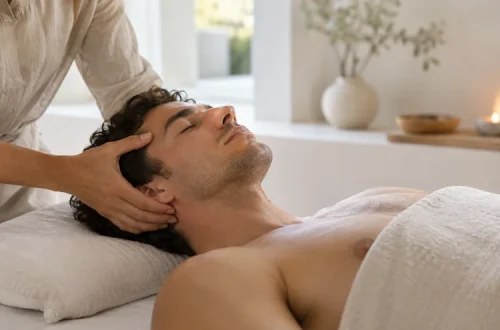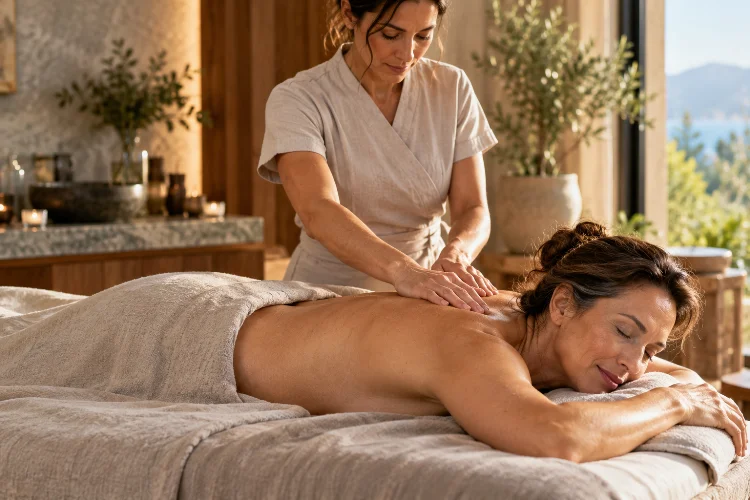
Ever noticed how your shoulders tighten after a stressful meeting, your jaw feels uncomfortable during a busy week, or your entire body seems exhausted even though you’ve barely moved?
Stress doesn’t just affect your thoughts. It can influence breathing patterns, muscle tension, sleep quality, emotional regulation, and how your nervous system responds to everyday challenges.
When these reactions continue for long periods, relaxing can become surprisingly difficult.
That’s why massage therapy is increasingly explored as a complementary approach to stress management.
But there’s more to effective therapeutic massage than simply applying pressure to tense muscles.
Advanced massage therapy strategies for stress response recovery focus on creating a personalized treatment experience that supports relaxation, improves physical comfort, and helps people manage stress-related symptoms.
These approaches consider the nervous system, individual pressure tolerance, treatment duration, and broader lifestyle factors.
Scientific research suggests massage may reduce perceived stress and anxiety in certain populations, although the benefits vary and long-term effects remain uncertain.
Understanding the techniques, research, and clinical principles behind stress-focused massage can help patients and practitioners make more informed decisions about supporting physical and emotional well-being.
1. Understanding the Body’s Stress Response and Recovery Process
Before exploring massage techniques, it helps to understand what actually happens when the body experiences stress.
The stress response is a normal biological process designed to help us respond to challenges and potential threats.
However, when stressful situations become frequent or prolonged, the body may struggle to return to a comfortable baseline.
How the Autonomic Nervous System Responds to Stress
The autonomic nervous system regulates many automatic functions, including heart rate, digestion, and blood pressure.
Two important components are the sympathetic and parasympathetic nervous systems.
The sympathetic system helps prepare the body for action, often increasing alertness and cardiovascular activity during challenging situations.
The parasympathetic system participates in functions associated with rest, digestion, and physiological regulation.
These systems continuously interact rather than operating like a simple on-off switch.
During ongoing stress, people may notice physical symptoms such as muscle tightness, digestive discomfort, restlessness, and difficulty sleeping.
Massage therapy may influence some of these experiences through sensory stimulation, relaxation, and changes in perceived comfort.
The Role of the HPA Axis and Cortisol
Another important stress-regulation system is the hypothalamic-pituitary-adrenal axis, commonly called the HPA axis.
This system helps regulate cortisol, a hormone involved in metabolism, immune activity, and normal daily biological rhythms.
Cortisol isn’t inherently harmful. It performs essential functions, and its levels naturally fluctuate throughout the day.
Problems may arise when stress regulation becomes disrupted, although individual responses vary considerably.
Some massage-related research has explored cortisol changes, but findings haven’t established that massage reliably normalizes cortisol or repairs the HPA axis.
A better clinical approach is to focus on measurable improvements in stress symptoms and daily functioning rather than promising hormonal resets.
2. What Scientific Research Says About Massage and Stress Recovery
Massage therapy is widely associated with relaxation, but clinical research provides a more complicated picture.
Some studies report reductions in anxiety and perceived stress, while others find results comparable to alternative relaxation activities.
Understanding these differences helps practitioners make realistic treatment recommendations.
Evidence From Occupational Stress Research
A 2021 systematic review and network meta-analysis published in the Journal of Occupational Health examined physical relaxation interventions for healthcare workers.
Researchers included 15 randomized controlled trials involving 688 participants.
The analysis found that physical relaxation interventions reduced occupational stress compared with non-intervention controls.
Massage therapy showed a favorable standardized effect size of approximately -0.43, while yoga also demonstrated benefits.
These findings suggest massage may be useful in workplace wellness programs, particularly for individuals experiencing demanding professional environments.
However, the results don’t prove that massage is the most effective stress intervention or that its effects continue indefinitely.
Broader Evidence on Physical and Mental Health
A 2026 systematic review and meta-analysis published in Frontiers in Psychology examined 88 studies involving 5,524 participants.
The researchers evaluated several manual therapies, including massage, reflexology, and joint mobilization.
Their pooled findings suggested improvements in anxiety-related measures, sleep quality, heart rate, and other physical and psychological outcomes.
However, because the analysis combined different therapies and patient groups, the results shouldn’t be interpreted as massage-specific proof.
The authors also highlighted limitations in the available evidence and suggested that manual therapies may be considered complementary interventions.
Why Research Results Sometimes Conflict
Different studies use different techniques, treatment schedules, participant populations, and comparison groups.
For example, massage may appear beneficial when compared with receiving no treatment.
But when researchers compare it with another relaxing experience, the advantage may become smaller or disappear.
This suggests that therapeutic touch, time away from daily demands, a comfortable enviroment, and patient expectations may all contribute to the experience.
Rather than treating these findings as contradictory, clinicians can use them to develop more thoughtful treatment plans.
3. Advanced Massage Techniques for Supporting Relaxation
There isn’t one universally superior massage technique for stress reduction.
The most appropriate method depends on a patient’s comfort, medical history, preferences, and desired outcomes.
Several approaches can be incorporated into a personalized stress-management session.
Swedish Massage and Rhythmic Touch
Swedish massage commonly involves flowing strokes, kneading movements, and gentle rhythmic pressure.
These techniques can create a predictable sensory experience that some people find calming.
A therapist might begin with broad strokes across the upper back before gradually addressing areas of uncomfortable muscular tension.
Maintaining a comfortable pace may help reduce the sense of being rushed or overstimulated.
Swedish massage has also been investigated in clinical trials involving anxiety disorders.
However, it shouldn’t automatically be considered a replacement for established mental healthcare.
Myofascial Techniques for Stress-Related Muscle Discomfort
People experiencing ongoing stress sometimes report tightness around the shoulders, neck, jaw, and upper back.
Myofascial techniques involve sustained or gradually applied pressure across selected soft tissues.
A therapist may use these methods to address localized discomfort while monitoring the patient’s response.
Some individuals experience temporary relief or improved movement comfort.
However, these changes don’t prove that the technique has permanently altered fascia or physically removed stored emotional stress.
The clinical objective should remain improved comfort and function rather than unsupported claims about tissue correction.
Gentle Scalp, Neck, and Shoulder Massage
Focused massage around the scalp, neck, and shoulders can be appealing to people who experience discomfort during prolonged computer work.
These areas often become noticeable when someone is tired, stressed, or maintaining the same position for extended periods.
Gentle treatment may provide an opportunity to relax and reduce perceived muscular tension.
However, therapists should avoid aggressive neck manipulation or pressure around vulnerable structures.
The intensity should remain comfortable, especially for individuals experiencing headaches, dizziness, or unusual neurological symptoms.
Slow, Predictable Treatment Sequences
A technique doesn’t need to be complicated to be effective.
For stress-focused sessions, predictable movements and clear communication may be more important than frequently changing pressure or introducing unfamiliar techniques.
A therapist can establish a comfortable rhythm while checking whether the patient feels secure and relaxed.
This approach may be particularly useful for individuals who feel overwhelmed by unpredictable sensory experiences.
4. Optimizing Massage Pressure, Rhythm, and Session Duration
One of the most important aspects of clinical massage involves choosing the appropriate treatment dose.
Pressure intensity, duration, and frequency can all influence the patient’s experience.
However, stronger pressure and longer appointments don’t necessarily produce better stress-relief outcomes.
Moderate Pressure and Autonomic Activity
A 2009 randomized study published in the International Journal of Neuroscience compared moderate-pressure and light-pressure massage.
Twenty healthy adults received a 15-minute massage while researchers monitored heart rate variability.
The moderate-pressure group demonstrated changes consistent with increased parasympathetic activity during treatment.
The light-pressure group showed a different autonomic response.
These results suggest that pressure intensity can influence short-term physiological measurements.
However, the small study doesn’t establish that moderate pressure is universally ideal or that massage permanently changes autonomic regulation.
Finding a Comfortable Pressure Level
For stress-management purposes, patient comfort should remain the priority.
A therapist might use a simple 0–10 pressure-rating scale to encourage communication.
Instead of targeting a fixed number, they can ask whether the pressure feels calming, neutral, or uncomfortable.
Some people prefer light contact, while others find moderate pressure more satisfying.
The therapist should also consider breathing patterns, muscle guarding, and verbal feedback.
A session that causes someone to tense up or anticipate pain may work against their relaxation goals.
How Long Should a Session Last?
Clinical studies have used different massage durations, often ranging from relatively short treatments to appointments lasting approximately an hour.
However, there is no universally validated session length specifically for stress response recovery.
A shorter session may suit someone experiencing fatigue, time constraints, or sensitivity to prolonged touch.
A longer appointment may allow a more gradual treatment pace.
The most appropriate duration depends on the individual’s tolerance, goals, and response.
Patients shouldn’t feel obligated to book longer sessions simply because extended treatment is marketed as more therapeutic.
5. Personalizing Massage for Different Stress Experiences
Stress affects people differently.
One person may experience muscle tension and headaches, while another struggles with restlessness, poor sleep, or persistent worry.
Personalized massage should account for these differences rather than follow a rigid routine.
Massage for Work-Related Stress
Busy professionals often experience sustained mental demands alongside prolonged sitting or repetitive physical activity.
An office worker may complain of shoulder discomfort after several hours at a computer.
A healthcare worker might experience both physical fatigue and emotional exhaustion following demanding shifts.
In these situations, massage can be considered a supportive wellness intervention.
A practical session might emphasize comfortable upper-body treatment, relaxation, and opportunities to discuss manageable movement habits.
However, massage alone cannot eliminate excessive workloads, inadequate staffing, or other organizational causes of stress.
Long-term improvement may require changes beyond the treatment room.
Massage for Anxiety-Related Physical Symptoms
Anxiety can involve muscle tension, restlessness, elevated alertness, and difficulty concentrating.
Research has explored whether therapeutic massage helps individuals experiencing these symptoms.
A 2016 randomized trial involving 47 participants with generalized anxiety disorder compared Swedish massage with light-touch treatment.
After six weeks of twice-weekly sessions, the massage group demonstrated greater improvements in clinician-rated anxiety symptoms.
However, an earlier 2010 randomized trial involving 68 participants found that massage wasn’t superior to thermotherapy or relaxing-room treatment.
These contrasting findings highlight the limitations of relying on a single study.
Massage may be a helpful complementary option for some people, but psychotherapy, appropriate medication, and other evidence-based treatments remain important when clinically indicated.
Supporting People With Sleep Difficulties
Stress and sleep problems often reinforce one another.
A demanding day may make falling asleep difficult, while inadequate sleep can make the following day feel even more overwhelming.
Some people report feeling calmer or sleeping more comfortably after massage.
However, research hasn’t established that massage reliably treats chronic insomnia.
A patient whose sleep problems persist should be evaluated for possible contributing conditions.
For chronic insomnia, cognitive behavioral therapy for insomnia is generally an established first-line treatment.
Massage can potentially complement an appropriate sleep-management plan without replacing it.
6. Building a Structured Massage Protocol for Stress Response Recovery
Advanced massage care should involve more than repeating the same treatment at every appointment.
A structured protocol helps therapists understand the patient’s needs, select appropriate techniques, and evaluate meaningful outcomes.
The following framework is an illustrative clinical planning approach rather than a scientifically validated universal dosage schedule.
Phase One: Assessment and Personal Goal Setting
The first appointment should explore the patient’s main stress-related concerns.
A therapist might ask about muscle discomfort, sleep quality, workload, recent health changes, and previous experiences with massage.
It’s also important to identify the patient’s expectations.
Some people want help relaxing after work, while others hope to manage persistent physical tension.
A meaningful goal might involve improved comfort during the evening, fewer interruptions from muscle discomfort, or a greater sense of relaxation after demanding days.
These goals help guide treatment without promising a cure for stress-related conditions.
Phase Two: Creating a Comfortable Treatment Experience
The therapist should establish informed consent, suitable positioning, and clear communication before beginning hands-on treatment.
Lighting, room temperature, noise levels, and privacy can influence whether the environment feels comfortable.
Some patients enjoy music or aromatherapy, while others prefer complete silence and fragrance-free treatment.
Preferences should never be assumed.
Treatment can begin with gentle contact before progressing to the patient’s preferred level of pressure.
The therapist should maintain a predictable pace and avoid techniques that create unnecessary discomfort.
Phase Three: Monitoring the Immediate Response
During treatment, therapists can ask about pressure, positioning, and emotional comfort.
Some individuals may feel relaxed almost immediately, while others need more time to settle.
A patient may also find it difficult to relax during their first appointment.
This doesn’t necessarily mean the treatment has failed.
After the session, the therapist can ask whether the person feels more comfortable, less tense, or better able to move.
However, immediate relaxation should be viewed as one outcome rather than proof of lasting stress recovery.
Phase Four: Reviewing Progress Over Time
If a patient chooses to continue massage, outcomes should be reviewed after an agreed treatment period.
A simple self-reported stress rating may help document changes.
Sleep quality, muscle discomfort, daily functioning, and overall well-being can provide additional information.
Consistant monitoring makes it easier to determine whether the therapy is worthwhile.
If meaningful benefits aren’t appearing, the therapist should reconsider the approach rather than automatically increasing pressure or frequency.
7. Combining Massage With Other Evidence-Based Stress Management Strategies
Massage therapy can create an opportunity for relaxation, but long-term stress management usually requires more than occasional appointments.
A broader approach addresses the habits, environments, and challenges influencing daily stress.
Combining appropriate interventions may provide more sustainable benefits than relying on one treatment alone.
Breathing Techniques and Relaxation Training
Slow, comfortable breathing may help some individuals manage temporary feelings of stress.
A therapist can offer patients the option to practice natural, unforced breathing during a session.
However, breathing instructions should never be mandatory.
Some people experience discomfort when asked to concentrate intensely on their breathing.
For those who enjoy structured exercises, gentle breathing practice may be continued independently.
The important distinction is that breathing techniques have their own evidence base and shouldn’t be presented as proof that massage itself regulates stress hormones.
Understanding the Limits of Cortisol Research
A 2024 meta-analysis published in Psychoneuroendocrinology examined 58 studies involving 3,508 participants.
The researchers found that stress-management interventions collectively influenced cortisol measurements compared with control conditions.
Mindfulness and relaxation interventions showed notable effects in the analysis.
However, the findings don’t establish that massage specifically produces equivalent cortisol changes.
Different stress-management methods should be evaluated according to their own research.
Claims that massage completely flushes out stress hormones or resets the nervous system go beyond the available evidence.
Physical Activity and Daily Movement
Regular physical activity is another important component of stress management.
Walking, swimming, resistance training, and other enjoyable forms of movement can support both physical and psychological health.
Someone who receives massage for shoulder tension may also benefit from regular movement breaks and suitable strengthening exercises.
These activities can address physical capacity and everyday habits in ways massage alone cannot.
The goal isn’t to replace relaxation with exercise, but to combine complementary strategies appropriately.
Sleep Routines and Lifestyle Adjustments
Sleep consistency, appropriate workloads, supportive relationships, and opportunities for rest can all influence stress management.
Massage may help someone feel temporarily calmer, but it cannot compensate indefinitely for severe sleep deprivation or overwhelming responsibilities.
Patients should be encouraged to identify realistic lifestyle adjustments where possible.
For example, a person experiencing evening tension might combine an occasional massage with a regular sleep schedule and time away from work-related notifications.
This approach helps make stress recovery part of everyday life rather than something that happens only during appointments.
8. Safety, Emotional Comfort, and Measuring Long-Term Benefits
Stress-focused massage must account for both physical safety and emotional comfort.
A relaxing treatment for one person may feel uncomfortable or overwhelming to another.
That makes consent, communication, and personalized care essential.
Recognizing Physical Contraindications
Massage is generally considered low risk when performed appropriately, but certain medical conditions require additional precautions.
Suspected blood clots, active infections involving the treatment area, significant bleeding risks, and fragile bones are important considerations.
Patients with recent surgery, complex medical conditions, or certain medications may need modified techniques or advice from their healthcare provider.
According to the National Center for Complementary and Integrative Health, serious massage-related complications are rare but have included fractures, nerve injuries, and blood clots.
Deep or vigorous techniques may be particularly inappropriate for individuals with increased vulnerability to injury.
Using a Trauma-Informed Approach
Some individuals have experienced trauma or situations where physical contact felt unsafe.
Therapists should avoid assuming that every patient finds touch comforting.
A trauma-informed approach emphasizes choice, clear explanations, privacy, and respect for personal boundaries.
Patients should be able to decline techniques, change positioning, request a pause, or end the session without pressure.
Therapists should also avoid suggesting that emotional distress must be physically released from muscles.
Emotional responses can occur during treatment, but massage practitioners shouldn’t interpret them as proof of unresolved psychological trauma.
Measuring Meaningful Recovery
Successful stress management involves more than a temporary sense of calm.
Patients may benefit from tracking perceived stress, sleep quality, physical comfort, and participation in everyday activities.
Validated questionnaires can be useful in clinical settings when administered and interpreted appropriately.
For example, the Perceived Stress Scale may help characterize perceived stress over time.
However, such tools don’t diagnose mental health disorders and shouldn’t be used outside their intended scope.
Heart rate variability and cortisol measurements are sometimes discussed in wellness programs, but neither provides a simple standalone measure of recovery.
A practical reassesment should focus on whether the patient is experiencing improvements that matter in daily life.
If stress, anxiety, or sleep difficulties continue to interfere significantly with functioning, appropriate medical or mental health support should be considered.
Advanced massage therapy strategies for stress response recovery offer a personalized approach to supporting relaxation, physical comfort, and emotional well-being.
Research suggests that therapeutic massage may reduce perceived stress and anxiety in certain populations, although results vary and long-term benefits remain uncertain.
The most effective approach isn’t necessarily the deepest massage or the longest appointment. It involves comfortable pressure, individualized techniques, informed consent, and regular evaluation.
Massage works best as a complementary tool alongside appropriate physical activity, healthy sleep habits, relaxation practices, and professional healthcare when needed.
Ready to develop a healthier stress-management routine? Consider consulting a qualified massage therapist, discuss your individual needs, and choose a treatment plan that prioritizes safety, comfort, and meaningful improvements in everyday life.