
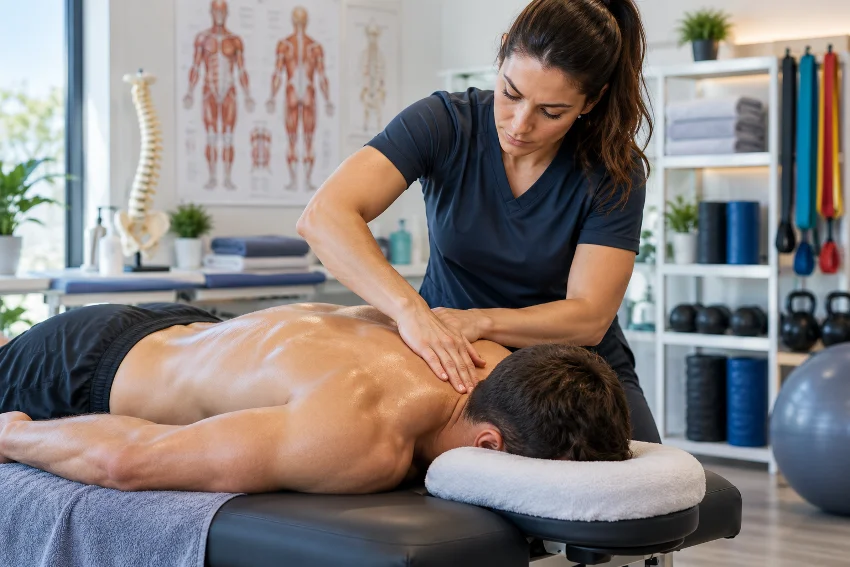
Modern life puts enormous pressure on our bodies. Whether you’re sitting behind a desk for hours, recovering from intense workouts, or dealing with everyday stress, muscle tension can quietly build up over time. That’s where Health Massage becomes a valuable part of a balanced wellness routine.
More than a relaxing spa experience, therapeutic massage involves specialized techniques designed to support comfort, mobility, and physical recovery. Understanding how different methods work can help you choose treatments that match your needs.
This comprehensive guide explores advanced massage techniques, their potential benefits, and practical strategies for making bodywork part of your long-term wellness plan.
1. Understanding Health Massage and Therapeutic Bodywork
Therapeutic massage has developed into a widely recognized complementary wellness practice. While traditional massage often emphasizes relaxation, clinical approaches focus on specific physical concerns, including muscle discomfort, restricted mobility, and exercise-related soreness.
Understanding the principles behind these treatments makes it easier to distinguish evidence-based approaches from exaggerated wellness claims.
The Science Behind Therapeutic Massage
Massage therapy involves applying controlled pressure and movement to muscles, tendons, fascia, and other soft tissues.
Different manual techniques stimulate sensory receptors and may influence how the nervous system processes discomfort. Gentle pressure and rhythmic movements can also encourage relaxation, potentially reducing the perception of muscle tension.
Research suggests that massage may provide short-term improvements for certain types of musculoskeletal pain. However, the strength of evidence varies considerably depending on the condition being treated.
Therapeutic bodywork should therefore be viewed as a supportive intervention rather than a guaranteed cure for chronic medical problems.
Understanding the Role of the Nervous System
Muscles and the nervous system constantly communicate.
When someone experiences ongoing stress, they may unconsciously tighten their shoulders, neck, or jaw. Over time, these patterns can contribute to feelings of stiffness and discomfort.
Massage may help some individuals relax and temporarily reduce muscle guarding. The combination of physical touch, controlled pressure, and a calm environment can contribute to this response.
Importantly, deeper pressure doesn’t automatically produce better results. Effective treatment depends on individual tolerance, clinical needs, and the therapist’s technique.
Therapeutic Massage Versus General Relaxation Massage
Relaxation massage generally uses comfortable pressure and flowing movements to promote a sense of calm.
Therapeutic massage may involve more focused assessment and targeted techniques. A practitioner might concentrate on the upper back, hips, or calves based on the client’s symptoms and functional limitations.
Both approaches can have value.
Someone experiencing work-related tension might prefer gentle full-body treatment, while an athlete dealing with localized soreness may benefit from a more targeted recovery session.
The best choice depends on the treatment objective rather than the intensity of the massage.
2. Advanced Therapeutic Massage Techniques Explained
Massage therapy includes multiple approaches that differ in pressure, movement patterns, treatment goals, and clinical applications.
Choosing the appropriate method requires understanding what each technique can realistically accomplish.
Swedish Massage for Relaxation and Comfort
Swedish massage is among the most familiar forms of therapeutic bodywork.
It commonly combines long gliding strokes, kneading, rhythmic movements, and gentle friction. The pressure is generally adjustable, making it suitable for individuals who prefer a comfortable introduction to massage.
This approach is often selected for relaxation, temporary muscle discomfort, and general wellness.
For example, an office employee experiencing mild shoulder tension may find a moderate-pressure Swedish session more comfortable than an intensive deep tissue treatment.
The main objective is to encourage relaxation without creating unnecessary physical discomfort.
Deep Tissue Massage for Focused Muscle Tension
Deep tissue massage uses slower, more concentrated pressure to work with muscles and surrounding soft tissues.
Practitioners may focus on areas that feel persistently tight, particularly around the shoulders, upper back, or hips.
Despite its name, this technique shouldn’t involve forcing pressure through painful tissue.
Excessively intense treatment can result in bruising, prolonged soreness, or irritation. People with certain medical conditions may also face increased risks.
A skilled therapist adjusts pressure gradually and responds to the client’s feedback throughout the session.
Myofascial Release and Soft Tissue Mobility
Fascia is connective tissue that surrounds and supports muscles and other structures.
Myofascial release generally involves sustained pressure or gentle stretching directed toward areas of perceived restriction.
Some practitioners use this method to address stiffness and improve comfortable movement.
Although many people report symptom relief, research hasn’t established that therapists can consistently identify or permanently eliminate specific fascial restrictions through manual pressure.
The method is best understood as a potentially helpful approach to symptom management, not a structural correction guaranteed to produce lasting results.
Trigger Point Therapy
Trigger point therapy focuses on sensitive areas within muscles that may be associated with local or referred discomfort.
Practitioners may apply controlled pressure to these areas while monitoring the client’s response.
For instance, someone experiencing upper-back tightness might receive targeted treatment around the shoulder muscles.
However, trigger point identification is not always consistent between practitioners, and the underlying mechanisms remain debated.
Treatment should remain comfortable and should never be used as a substitute for evaluating unexplained or persistent pain.
3. Sports Massage and Advanced Muscle Recovery
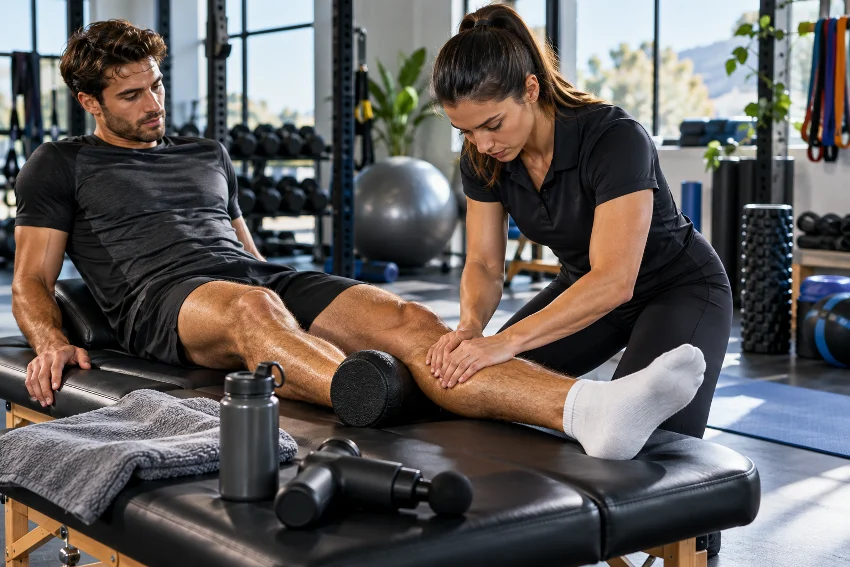
Athletes and physically active individuals frequently use massage as part of their recovery routines.
Its value is primarily associated with perceived comfort, temporary flexibility improvements, and reducing certain forms of post-exercise soreness.
Understanding Delayed Onset Muscle Soreness
Delayed onset muscle soreness, commonly called DOMS, often develops after unfamiliar or demanding physical activity.
It typically becomes noticeable several hours after exercise and may peak within approximately 24–72 hours.
A systematic review and meta-analysis published in Frontiers in Physiology examined 11 studies involving 504 participants. Researchers reported reductions in post-exercise soreness among participants receiving massage, although study differences and limitations affected certainty.
These findings suggest that massage can be a useful comfort-focused recovery option for some active individuals.
However, reduced soreness doesn’t necessarily mean that muscle tissue has recovered faster.
Pre-Exercise and Post-Exercise Massage
Pre-exercise massage is generally intended to promote comfort and prepare someone mentally for activity.
Sessions are usually brief and tailored to avoid unnecessary relaxation or irritation before performance.
Post-exercise massage may focus on areas experiencing fatigue or soreness after demanding training.
A separate systematic review involving 29 studies and 1,012 participants found small improvements in flexibility and delayed onset muscle soreness. It did not demonstrate meaningful direct improvements in strength, sprint speed, endurance, or jumping performance.
Therefore, sports massage shouldn’t be considered a shortcut to athletic improvement.
Training quality, recovery time, sleep, and adequate nutrition remain essential.
Integrating Massage With Active Recovery
Active recovery involves gentle physical activity performed after demanding exercise.
Walking, easy cycling, and comfortable mobility movements are common examples.
Combining appropriately selected recovery methods may help athletes maintain a manageable routine between training sessions.
For example, someone completing an intensive leg workout might schedule light walking the following day and use a comfortable massage session if soreness becomes distracting.
The goal is to support recovery without introducing additional physical stress.
Severe pain, significant swelling, or suspected muscle injury requires clinical evaluation rather than intensive massage.
4. Massage Therapy for Pain Management and Postural Discomfort
Musculoskeletal discomfort is common among people who spend long periods sitting, perform repetitive movements, or experience physical strain.
Massage may provide temporary relief, but effective management often requires addressing multiple contributing factors.
Managing Neck and Shoulder Tension
Neck and shoulder discomfort frequently develops alongside prolonged computer use, awkward working positions, and insufficient movement.
Massage may temporarily reduce perceived tension, particularly when paired with appropriate stretching and movement.
A practitioner might use gentle kneading around the upper trapezius and shoulder muscles while avoiding excessive pressure near sensitive neck structures.
Nevertheless, massage alone cannot permanently correct every posture-related complaint.
Regular movement, ergonomic adjustments, and strength-building exercises may provide important additional benefits.
If symptoms include persistent numbness, weakness, or radiating pain, medical assessment is advisable.
Therapeutic Massage for Lower Back Discomfort
Lower back pain affects people across different ages and occupations.
The American College of Physicians includes massage among possible non-drug treatments for acute and subacute nonspecific lower back pain.
However, the research supporting massage for back pain has important limitations, and any benefits may be short-lived.
A personalized approach might combine appropriate manual therapy with exercise, education, and gradual resumption of normal activity.
For example, someone experiencing mild back stiffness after prolonged sitting may benefit from movement breaks and professionally guided exercises alongside massage.
Massage should not be used to delay medical assessment when symptoms suggest a potentially serious condition.
Massage and Joint Mobility
Muscle stiffness can sometimes make everyday movements feel restricted.
Targeted massage may help certain individuals experience temporary improvements in comfortable range of motion.
However, joint mobility depends on multiple factors, including muscle strength, neurological control, tissue condition, and underlying joint health.
Massage doesn’t replace exercise-based rehabilitation when mobility limitations result from weakness or injury.
A combined approach involving appropriate stretching, progressive strengthening, and clinical guidance is often more practical.
5. Massage, Stress Reduction, and Mind-Body Recovery
Physical discomfort and psychological stress often influence one another.
When people feel overwhelmed, they may experience more noticeable muscle tension, restless sleep, or difficulty relaxing.
Therapeutic massage can serve as one component of a broader stress-management routine.
Supporting Relaxation Through Therapeutic Touch
Comfortable physical touch may influence the body’s stress response.
Some people experience reduced anxiety or increased relaxation immediately after receiving massage.
The surrounding environment also matters.
Soft lighting, comfortable temperature, clear communication, and a sense of safety can contribute to the overall experience.
These benefits are meaningful, even when they don’t translate into measurable long-term medical improvements.
Massage works best when expectations remain realistic and individual preferences are respected.
Massage and Sleep Quality
Many people report feeling calmer or sleepier after a massage session.
Relaxation may help individuals transition away from demanding daily responsibilities and prepare for rest.
However, evidence that massage consistently improves sleep disorders is limited.
Someone struggling with persistent insomnia should consider established sleep-management strategies and appropriate professional care.
Consistent sleeping hours, a comfortable bedroom environment, and reducing late-night stimulation remain useful lifestyle foundations.
Massage can complement these habits, but it shouldn’t be presented as a proven cure for insomnia.
Emotional Wellness and Recovery
Stress management isn’t only about reducing tension.
It also involves maintaining healthy routines, recognizing emotional limits, and creating opportunities for recovery.
Some individuals find that periodic massage encourages them to schedule dedicated time away from work and digital distractions.
That sense of intentional rest can be valuable.
Nevertheless, massage cannot replace mental health treatment for conditions such as severe anxiety, depression, or trauma-related disorders.
A well-rounded wellness strategy combines supportive activities with appropriate professional care when needed.
6. Safety, Contraindications, and Professional Massage Standards
Although massage is generally considered low risk when performed appropriately, it isn’t suitable for everyone in every situation.
Understanding precautions is especially important before receiving intensive pressure or specialized treatments.
When Massage Should Be Avoided or Modified
Certain situations require delaying massage, avoiding specific body areas, or obtaining medical approval.
These may include suspected blood clots, active skin infections, open wounds, recent fractures, significant unexplained swelling, and certain bleeding disorders.
Individuals taking anticoagulant medications may face an increased risk of bruising or bleeding from vigorous techniques.
People with osteoporosis, cancer-related complications, recent surgery, or complex medical conditions may also require modified treatment.
Pregnant individuals should seek practitioners trained to provide appropriate prenatal care and discuss any medical concerns with their healthcare provider.
The National Center for Complementary and Integrative Health notes that serious complications are uncommon but have been reported, particularly following vigorous massage or treatment involving higher-risk individuals.
Understanding the Difference Between Therapeutic Pressure and Pain
An effective massage doesn’t need to hurt.
Some focused techniques may create temporary sensitivity, but sharp pain, tingling, numbness, or worsening discomfort are warning signs.
Clients should feel comfortable requesting lighter pressure or stopping a technique immediately.
A professional therapist should explain treatment methods, respect physical boundaries, and obtain informed consent.
Communication is particularly important when dealing with previous injuries or sensitive areas.
The objective is safe, individualized care rather than tolerating unnecessary discomfort.
Choosing a Qualified Massage Therapist
Practitioner training can vary depending on local regulations and professional requirements.
Before booking a session, ask about relevant qualifications, practical experience, hygiene procedures, and familiarity with your particular concerns.
For rehabilitation-related treatment, collaboration with a licensed healthcare professional may be appropriate.
A good practitioner should discuss relevant medical history and explain what massage can and cannot reasonably achieve.
Be cautious of anyone promising to cure serious diseases, permanently realign the body, or remove harmful substances through massage.
These claims are not supported by reliable clinical evidence.
7. Developing an Advanced Massage and Recovery Routine
Creating an effective wellness routine involves more than booking frequent appointments.
The best plan balances individual preferences, treatment costs, physical demands, and realistic recovery objectives.
Determining the Right Massage Frequency
There is no universally established schedule that works for everyone.
Some individuals prefer occasional relaxation sessions, while others incorporate more frequent treatment into a clinician-guided recovery program.
The appropriate interval depends on symptoms, physical activity, medical history, and response to previous sessions.
For example, an athlete training several days each week may prioritize targeted recovery sessions during particularly demanding periods.
An office worker experiencing occasional mild tension might choose less frequent appointments alongside regular exercise.
Frequency should be guided by meaningful benefits rather than the assumption that more sessions always deliver better results.
Preparing for a Therapeutic Massage Session
A productive appointment begins with clear communication.
Explain whether your goal is relaxation, temporary pain relief, improved comfort during movement, or post-exercise recovery.
Mention recent injuries, relevant medical conditions, medications, and any areas that should be avoided.
During the session, communicate openly about pressure and positioning.
Afterward, return to normal activities according to comfort and any individualized clinical advice.
There’s no convincing evidence that massage releases toxins that must be flushed away by drinking unusually large amounts of water. Normal hydration habits are generally sufficient.
Measuring Recovery Progress
Recovery can be difficult to evaluate without clear goals.
Instead of judging success entirely by how relaxed you feel immediately after treatment, consider whether the benefits support your everyday activities.
Someone receiving massage for neck discomfort might track changes in pain intensity, comfortable movement, and ability to work without interruptions.
An athlete might focus on perceived soreness and the ability to complete planned training comfortably.
These observations can help determine whether massage provides worthwhile benefits.
If symptoms remain unchanged or continue worsening, professional reassessment is more useful than simply increasing massage intensity.
Combining Massage With Long-Term Healthy Habits
Massage works best as part of a balanced recovery strategy.
Regular physical activity supports strength and mobility, while sufficient sleep provides time for physiological recovery.
Balanced nutrition helps meet the body’s energy and nutrient requirements.
Stress-management techniques and appropriate workload adjustments may also reduce recurring discomfort.
The combination of these behaviors offers a more sustainable approach than relying on a single wellness treatment.
Ultimately, long-term health depends on consistent, practcal decisions rather than occasional intensive interventions.
Health Massage can be a valuable addition to a well-rounded wellness and recovery routine. From Swedish massage to targeted sports therapy, different techniques may help improve comfort, manage temporary soreness, and encourage relaxation.
The key is choosing qualified practitioners, understanding safety precautions, and maintaining realistic expectations. Start by identifying your recovery goals, then build a personalized massage plan that complements exercise, restorative sleep, and professional healthcare.